You discover your 11-year-old has lied about a school grade. You…
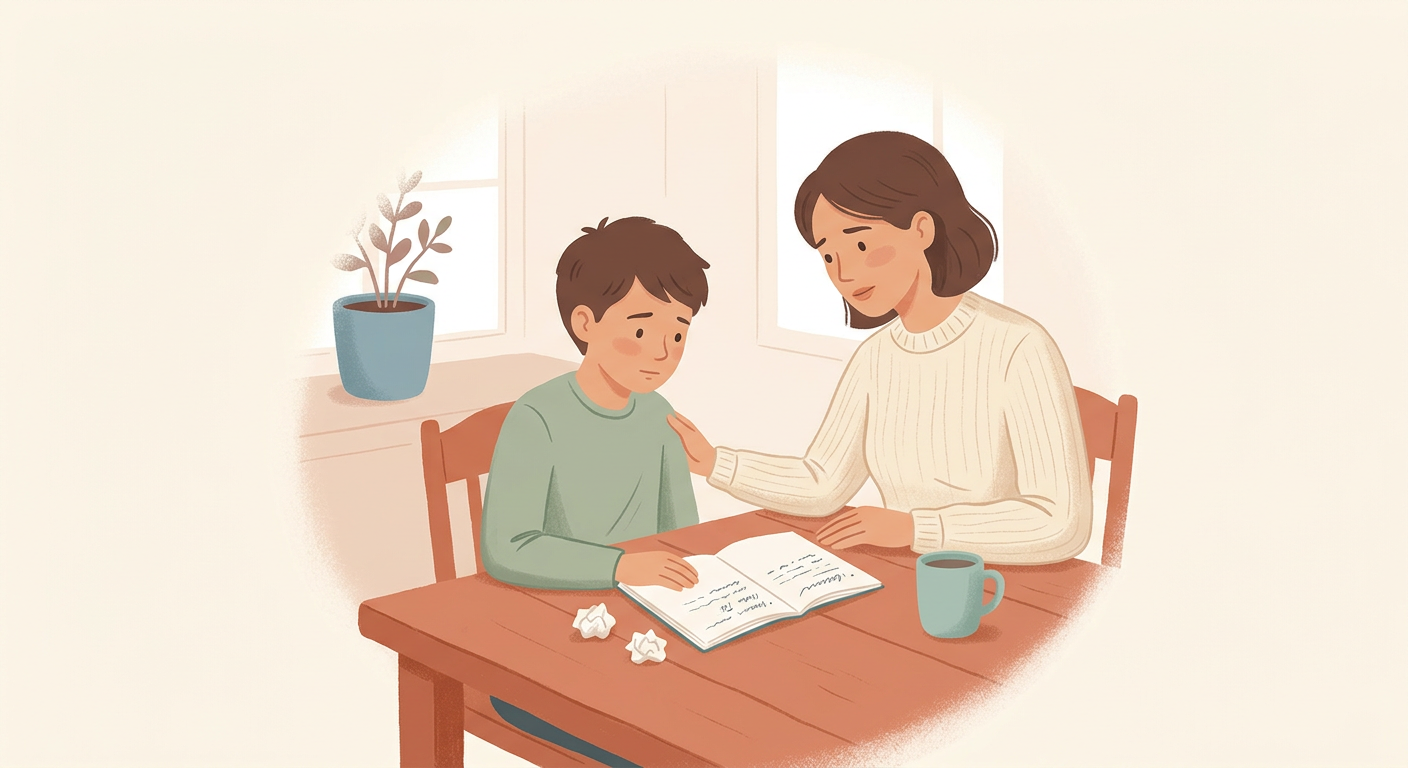
This is just 1 of 100+ questions in the Parenting Test
Want to know your real style and get a full diagnosis? Takes 2 minutes, free.
Take the Parenting Test →Why this situation matters
Descubrir que un hijo miente, especialmente sobre algo importante como las notas escolares, puede ser una experiencia desconcertante para cualquier padre. Es natural sentir una mezcla de decepción, frustración y quizás un poco de preocupación sobre la confianza y el comportamiento futuro de su hijo. Esta situación no solo pone a prueba la relación familiar, sino que también ofrece una oportunidad crucial para enseñar valores importantes sobre la honestidad y la responsabilidad. La forma en que usted aborde este momento puede tener un impacto duradero en cómo su hijo aprende a manejar la verdad y las consecuencias de sus acciones a medida que crece.
La psicología del desarrollo nos dice que los niños mienten por diversas razones, que pueden ir desde el miedo al castigo, la búsqueda de aprobación, o incluso para evitar sentirse avergonzados. Comprender la raíz de la mentira es a menudo tan importante como abordar el hecho de que ha ocurrido. Su respuesta no solo debe buscar corregir el comportamiento actual, sino también fomentar un ambiente de apertura y seguridad donde su hijo se sienta capaz de confesar errores sin temor a juicios severos.
Reflexionar sobre su reacción en un momento así es fundamental para modelar la inteligencia emocional y la comunicación efectiva. Su elección puede fortalecer el vínculo de confianza o, por el contrario, crear barreras. ¿Está listo para explorar cómo su instinto le guía en esta situación?
The possible answers
These are the options you'll see in the test. Each one measures something different — we won't tell you which is best here (that's what the test is for 😉).
- APunish them with two weeks without screens, no discussion.
- BDiscuss why they lied and agree on a consequence.
- C"Oh well, kids will be kids."
- DKeep quiet to avoid drama.
What the experts say
Joan E. Grusec
Professor of Psychology
“The most effective discipline combines clear expectations with explanations of why certain behaviors are unacceptable, promoting the internalization of rules.”
Martin L. Hoffman
Developmental Psychologist
“Inductive discipline, which explains the impact of a child's actions on others, is key to fostering empathy and prosocial morality.”
Victoria Talwar
Professor of Child Development
“Children are more likely to lie when they anticipate severe punishment, and less so when encouraged to tell the truth in a safe and supportive environment.”
Devil's advocate
Common objection
Talking so much just overthinks it; what they need to understand is that lying is wrong. A good punishment solves it quickly.
Why it falls short
Punishment might stop a behavior in the short term, but it doesn't teach why it's wrong or how to manage the emotions that lead to lying. The 'quick fix' is often superficial and doesn't address underlying causes, potentially leading to more elaborate lies in the future.
This is just 1 of 100+ questions in the Parenting Test
Want to know your real style and get a full diagnosis? Takes 2 minutes, free.
Take the Parenting Test →Related questions
Part of the Fami ecosystem
Sites made by families, for families. Start with the two most loved:
The task manager that coordinates your whole family — without the stress.
Visit →famiEduca.comA platform where children learn on their own, the fun way.
Visit →Worldwide guide of destinations and points of interest for family travel.
Restaurants where great food is also for the kids.
Challenges and games to rediscover the joy of playing together.
Easy recipes to cook with the little ones.
Films handpicked to watch as a family.
Reads for small big readers.