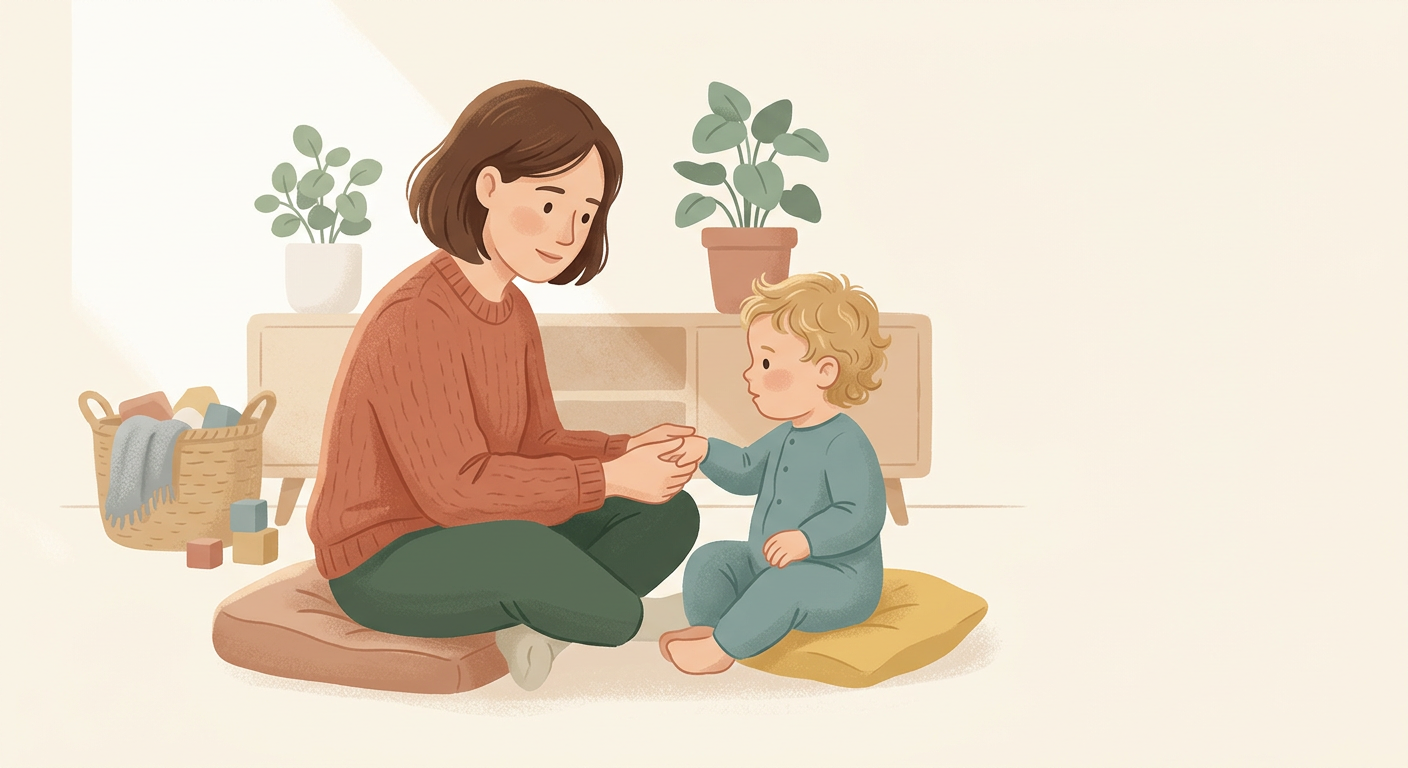
Your 2-year-old child hits you in the face playfully. You...
This is just 1 of 100+ questions in the Parenting Test
Want to know your real style and get a full diagnosis? Takes 2 minutes, free.
Take the Parenting Test →Why this situation matters
Es completamente normal que los niños pequeños, especialmente alrededor de los dos años, experimenten con sus límites y los de los demás. A esta edad, el desarrollo los impulsa a explorar cómo funcionan las cosas y qué respuestas obtienen de su entorno. Cuando un niño golpea, aunque sea "jugando", no siempre entiende el impacto real de sus acciones, ni desde el punto de vista físico ni emocional.
Tu reacción en estos momentos es crucial. No solo moldea cómo tu hijo entiende las interacciones sociales y la diferencia entre un juego y un comportamiento aceptable, sino que también establece las bases para aprender a manejar sus propias emociones. La forma en que respondemos a estos pequeños actos nos define como figuras de autoridad y guía, y ayuda a nuestros hijos a internalizar las reglas de convivencia y el respeto hacia los demás.
Establecer límites claros y consistentes desde una edad temprana es fundamental para el desarrollo emocional y social de tu hijo. Es una oportunidad para enseñarle empatía y autocontrol. Descubre la mejor manera de responder a esta situación y muchas otras.
The possible answers
Tap the option you would choose
What the experts say
Daniel Siegel
Neuropsychiatrist and author
“When we name our emotions, we can tame them; the same applies to children's actions.”
Diana Baumrind
Developmental psychologist
“Authoritative parents set clear limits, but are warm, responsive, and provide reasons for their demands.”
American Academy of Pediatrics (AAP)
Pediatricians' organization
“Physical punishment, including spanking, is ineffective and potentially harmful, and should not be used.”
Devil's advocate
Common objection
But if I don't give them a fright, a smack, how will they understand how serious it is? That's how it's always been done and it worked for me.
Why it falls short
While traditional, fear or pain often generate fright, not understanding. The goal is to teach, not just stop a behavior. Children learn best through clear communication and example, by understanding the 'why,' rather than simply avoiding punishment.
This is just 1 of 100+ questions in the Parenting Test
Want to know your real style and get a full diagnosis? Takes 2 minutes, free.
Take the Parenting Test →Related questions
Your 6-year-old tells you 'I hate you' because you've said no to ice cream before dinner. You...
Validar, Limitar, Sostener
Your 22-month-old has discovered that throwing her spoon from her high chair is the funniest thing ever. She's thrown 7 spoons. You...
Extinción conductual, Consecuencia natural
You find a half-empty vodka bottle under your 15-year-old daughter's bed.
Entender antes de sentenciar; mantén el mapa.
Your 12-year-old child yells 'I hate you!' because you've told them they can't go to a party.
Límite firme + emoción acogida ≠ permisividad.
You get home exhausted and find the living room wall painted with permanent marker. Your 6-year-old looks at you in silence. You…
Límites claros, reparación
Your 6-year-old daughter hits you when you tell her 'no' to having sweets before dinner.
Contención física sí; violencia no.
Part of the Fami ecosystem
Sites made by families, for families. Start with the two most loved:
The task manager that coordinates your whole family — without the stress.
Visit →famiEduca.comA platform where children learn on their own, the fun way.
Visit →Worldwide guide of destinations and points of interest for family travel.
Restaurants where great food is also for the kids.
Challenges and games to rediscover the joy of playing together.
Easy recipes to cook with the little ones.
Films handpicked to watch as a family.
Reads for small big readers.